It's not easy to pin-point when exactly tablet computers
landed in our palms. It was a gradual, quiet and directionless revolution that
stuttered along until one idea changed everything.
There were just eight tablet-like devices between 1993 and
2009 before Apple introduced the first iPad - none managed to take off. Post
iPad and in 2012 alone there were over 128 million tablet sales worldwide, with
Apple taking 53% of the market.
According to IDC, tablet sales are growing 142.4% every year
and in the first three months of 2013, 49 million slates were shipped - more
than the first six months of 2012.
The forefathers of the Galaxy, Nexus and iPad were
fundamentally flawed. They were stand alone, proprietary devices aimed at
giving you home computing on the move - but without any of the home computing
power or intricate functionality. They also suffered without wireless connectivity
and, well, the internet.
The iPad inventor wasn't always so prosperous. In 1993 Apple
attempted to create a new way of computing. It failed miserably, but indirectly
started a 20 year quest for the perfect tablet PC.
But in 2010 Apple reinvigorated the tablet by making a
device that was built around multimedia and made with the polished, trademark,
Apple style.
All those failures were just as important as that one
success though. Here we look at the four tablets that took one for the team and
allowed the iPad to rise from their ashes.
Message Pad
MessagePad
The Message Pad is where it arguably all began. The Message
Pad was Apple's attempt to fill a non-existent gap in a yet-to-be-created
market. This was surprisingly the first of seven other models that eventually
met their maker in 1998 after five years of being in production.
The very first Message Pad had a 6-inch screen, weighed 800g
(the iPad Air has a 9.7-inch screen and weighs 469g), ran Apple's Newton OS and
had the legendary text recognition system. There were even Newton dedicated
stores around the US that sprung up after launch where visitors were given
advice and information on Newton based products in a relaxed casual fashion.
Sound familiar?
The Message Pad was designed to be a personal assistant with
scheduling, notes and a calculator. The very first device was met with
criticism, mainly because of the comically poor accuracy of the text
recognition software that was the subject of extensive lampooning in the media,
including The Simpsons' 'Eat Up Martha' skit.
The device also had no PC connectivity and it ran on three
AAA batteries that gave it poor battery life.
Palm Pilot
PalmPilot
Learning from Apple's mistakes, the Palm team attempted to
put together a PDA that wasn't dogged by software issues. The founders had
initially wanted to create handwriting recognition software to improve on
Apple's attempt, but after some research they believed that they could build a
better device too.
And in 1996 the Palm Pilot was born. The PDA ran on a 16MHz
Motorola Dragonball processor, had no backlight, no flash memory and 512KB of
on-board RAM.
What made it stand out from Apple's device was that it had a
'Hot Sync' feature where users could connect it to their PC via serial port,
which were popular at the time.
The Palm OS and Graffiti handwriting recognition software
proved to be popular with enthusiasts but failed to capture the imagination of
the mass market.
Intel Web tablet
Intel Web Tablet
Intel had the first real crack at making an internet based
tablet that was purely for the consumption of multimedia and not a personal
assistant.
It had a touchscreen in combination with a stylus and ran a
on StrongARM chip. Not much else is known about the spec of the device. In 2001
it was described it as "a portable, wireless Internet-surfing device that
looks like a laptop's screen."
To make the device portable it came with a separate wireless
adapter that had to be plugged into your PC and installed. The tablet would
then connect to the internet, via your PC, and you could take it around the
home and browse the internet. Without an internet connection it was virtually
useless.
Funnily enough, the product was distributed to vendors
around the US but pulled before launch, so it was never actually sold. There's
no clear reason why, but Intel was embroiled in a trademark design war with
Cyrix-NatSemi, which had apparently designed something similar called a
'NewsPad' several years earlier.
Microsoft Tablet PC
MIcrosoft Tablet
Microsoft came late to the tablet game in 2002, but it was
by far the most accomplished. They shipped with a tablet version of Windows XP,
had 600MHz processor, 128MB of RAM, an impressive 10GB of hard drive space,
bluetooth and wireless networking.
It also had the handwriting recognition software that seemed
to be the industry standard for tablets at the time. It was a true heavyweight.
They looked almost identical to the tablets of today and had
some impressive specs for a portable computer that is more than a decade old.
Bill Gates reportedly said in 2002 that "within five years I predict it
will be the most popular form of PC sold in America."
For sales and trade enquiries of the accessories,
contact here


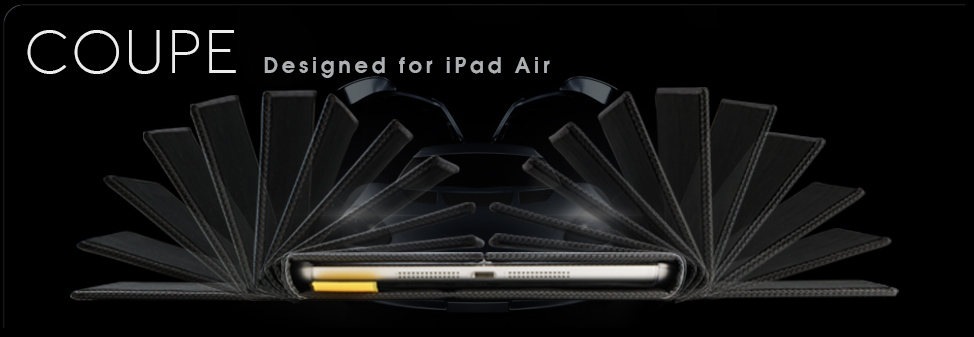
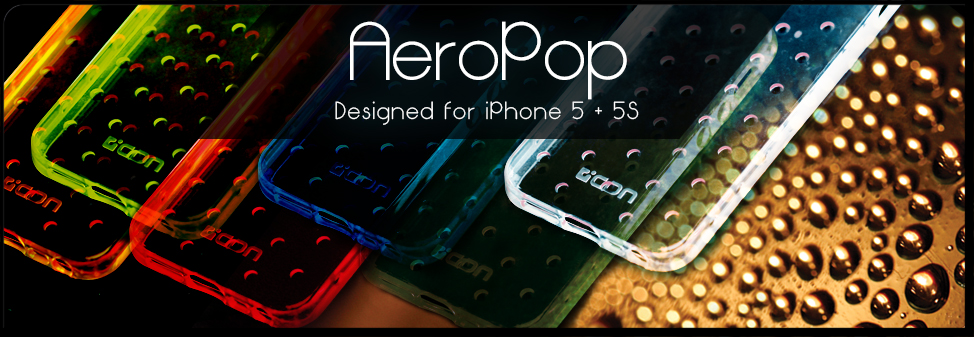
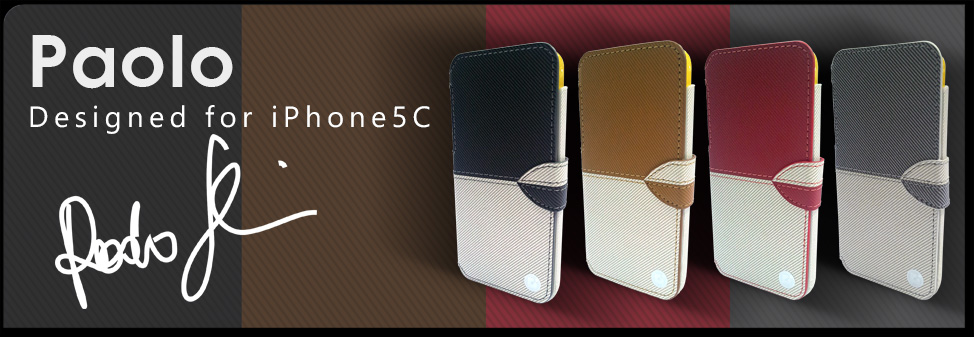
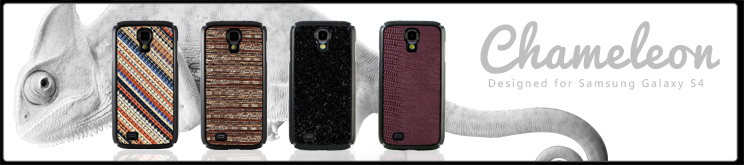
 We are proud to announce that iGADGET will be distributing
the CDN International brand of high end fashionable accessories for mobile and
tablet exclusively in the UK.
We are proud to announce that iGADGET will be distributing
the CDN International brand of high end fashionable accessories for mobile and
tablet exclusively in the UK.